

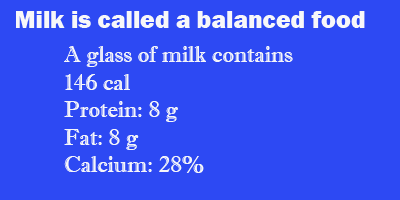
Milk has been considered as a complete food over the ages and the greatest benefit of milk is that from
a small amount of milk, we can obtain a lot of nourishment. Hence, milk is called a balanced food. A
glass of milk contains approximately 146 cal, 8 g of protein, 8 g fat, and high amounts of calcium, which
would amount to almost 28% of our daily requirement of calcium.
Milk also has 18% B12, 20% of our daily requirement of vitamin D, and iodine. So, a child can get almost all the required nutrients for a dayfrom a glass of milk. Milk helps produce increased energy in a short span of time and is a good optionbefore exercise to help with the development of muscle during exercise and for the repair of injury to
the muscles due to the exercise.
There are two main enzymes in the body that help digest milk, rennin and pepsin. The milk that reaches
our stomach is acted upon by the rennin and converted to a gelatinous thick substance. The milk protein
named casein is then digested by pepsin and made available for utilization by the body. The digested
milk moves to the small intestine where the carbohydrate in milk known as lactose is digested with the
help of an enzyme known as lactase. The remaining portion is then moved to the large intestines.
Unfortunately, people over the age of 5 years do not have the enzyme rennin in their stomach and only
little children and animals that drink milk have rennin in their stomach. In the absence of rennin, the
digestion of milk entirely depends on the pepsin. Pepsin cannot digest the milk protein completely and
hence the undigested portion is moved to the small intestine where the lactose present in milk is
digested by the lactase enzyme. 70% of human beings have a low level of lactase in the body and
therefore, the lactose does not digest completely.
The mucous membranes on the walls of the stomach
are irritated by the lactose leading to slippery nature in the intestines and subsequent loose motions
with slight cramps of the intestine presented as abdominal pain or rumbling. The undigested milk and
lactose are moved to the large intestine where it is fermented by the bacterial flora causing excessive
gassiness and formation of carbon dioxide.
People with celiac disease or people with irritable bowel syndrome get loose motions, severe gassiness,
and rumbling in the stomach due to the irritation in the intestines when the undigested milk reaches
their intestines.
Often, for commercial benefit, farmers try to extract maximum amount of milk from the cow, even if it is
pregnant. This milk would have a high concentration of the female hormone of estrogen, which may
lead to several complications. It has been proved in rats that this milk may cause breast cancer, prostate
cancer, and uterine cancer, and also causes increase in estrogen in women and reduction in
testosterone level in men. The fortified feeds given to the cattle for increased milk production may
contain chemicals called insulin-like growth factors.
The milk of these cows will also have increased
amount of insulin-like growth factors. Human beings who consume this would put on weight very
quickly and this milk is not beneficial for the intestines or other organs of the body.
Milk has an important part in the production of mucin in our body, which is the phlegm. Hence, phlegm
production in body is increased due to drinking milk and people who drink milk regularly may have
symptoms of cold, sneezing, congestion, shortness of breath, etc. due to allergy to milk. Intolerance to
milk may also cause loose motions, dry skin, a topic dermatitis or eczema in small children.
It is thought that milk provides enough calcium to the body especially in menopausal women thereby
reducing the tendency of loss of bone density and osteoporosis. But a study done in 200 women over a
period of 3 months in Sweden, where the women were given 200 mL of milk everyday showed that the
women who drank milk and those who did not, had no difference in their bone condition.
The bone health of an individual after the age of 45 is decided by their bone and teeth health and
growth in childhood. Studies have found that drinking more milk after a certain age to promote bone
health is not beneficial for the body.
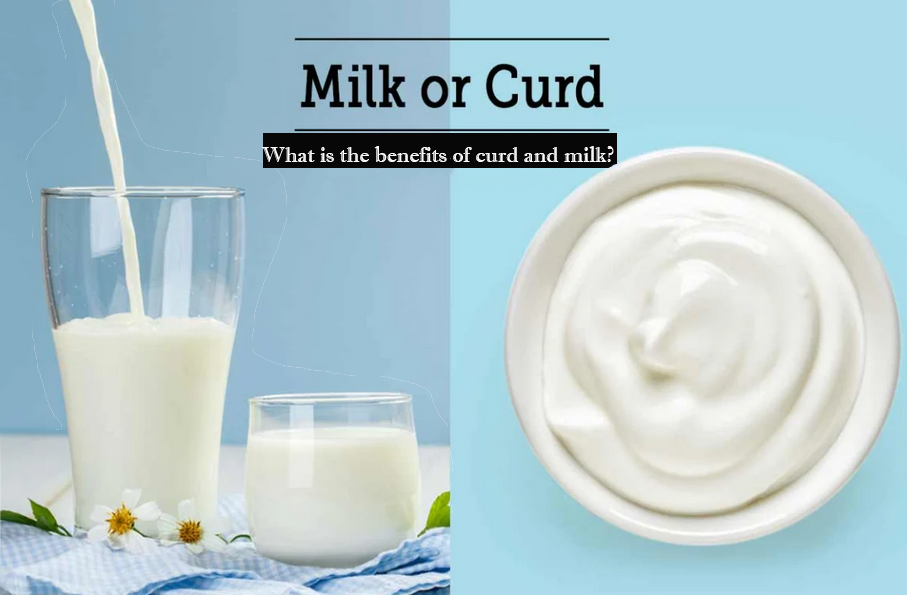
Children who are not allergic to milk may be given milk till a certain age, but for adults curd is a better
option than milk. This is because curd can provide all the benefits of milk without any side effects that
come with milk. Curd is made by fermentation of milk where the solid part of milk, which is the protein
and fat, comes together and has the bacteria called lactobacillus which aids in digestion and is beneficial
to the intestines.
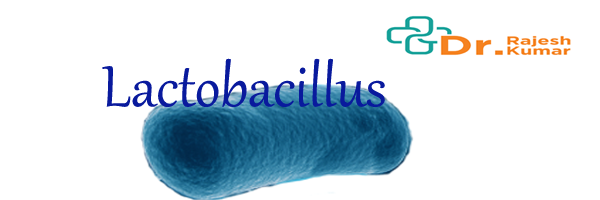
The lactobacillus in sour curd breaks down all the lactose sugar and hence can be
consumed by people who have lactose intolerance. 100 mL of curd provides 60 to 70% of our daily
calcium requirement, vitamin D and enough protein. The bacteria in the curd are good probiotics and
aid in digestion. Curd acts as a natural medicine for people who have acidity, heartburn, sour eructation,
and burping issues as it is very good for the intestinal bacterial flora and helps relieve the inflammations
in the intestines. Curd also helps to relieve complaints of hemorrhoids and reduces the risk of intestinal
cancer.