

What are the symptoms of Reactive Hypoglycemia ?
We can very commonly see people who are non-diabetic, yet cannot tolerate hunger and whose blood sugar drops very low to even 64 or 65 in a short while after having food. They experience shivering of the hands, vertigo, blackout, and great distress. These problems after often resolved temporarily by ingestion of some sugar or chocolates. Hence, these individuals are always seen to carry something sweet with them.
What is reactive hypoglycemia condition?
It is a condition which affects a lot of people in our society and is known as reactive hypoglycemia. This is not diabetes, but the blood sugar level drops after some time of having food and all symptoms associated with this are shown.
When we eat food, our blood sugar rises and the insulin in our body converts this to energy. This is the normal mechanism of sugar metabolism in our body. The only hormone that aids in reduction of blood sugar when it rises is insulin, but if the blood sugar drops greatly there are many hormones that work to bring it up.
If the blood sugar drops below 70, the brain might not get sufficient energy and other organ functions may also be affected. This is known as hypoglycemia or a condition of low blood sugar. To overcome this, thyroid hormone, adrenaline, growth hormone, serum cortisol, etc. act together to raise the blood sugar and insulin tries to overpower all these and works excessively leading to repeated reduction of blood sugar. This need not occur as part of diabetes, instead may occur if we have a family history of diabetes.
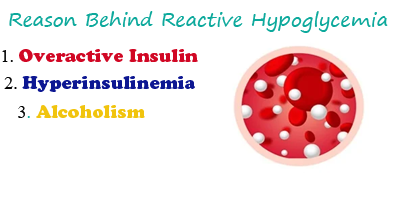
The first reason for this condition is an overactive insulin which continues to work even after converting the sugars to energy and in turn leads to excessive drop in the blood sugar level and may be associated with symptoms like shivering of hands and other discomforts.
The second reason is hyperinsulinemia which is a condition that is seen even several years before an individual may become diabetic. Before a person reaches the stage of type 2 diabetes, insulin resistance is seen and the person may put on a lot of weight and the blood insulin remains high. There is increased hunger and thirst with high insulin. The insulin quickly converts the food into fat and stores it in the body. The blood sugar level may drop to below 70. This is the reason for low blood sugar in people who have a possibility to diabetes. Most of the obese individuals in our society feel this shivering of arms if not taking food on time due to this hyperinsulinemia, where the blood insulin level is very high.
The third reason is alcoholism. Upon increased consumption of alcohol, the blood alcohol level rises greatly and the sugar reduces and the person may collapse.
These are the conditions that lead to low blood sugar in non-diabetic persons. The symptoms of reactive hypoglycemia include inability to concentrate in anything, increased sweating, distress, palpitation, weakness, dyspnea, shivering of arms, etc. There may be headache and dimness of vision, or a feeling excessive nervousness and weakness. There may also be associated nausea, vomiting, etc.
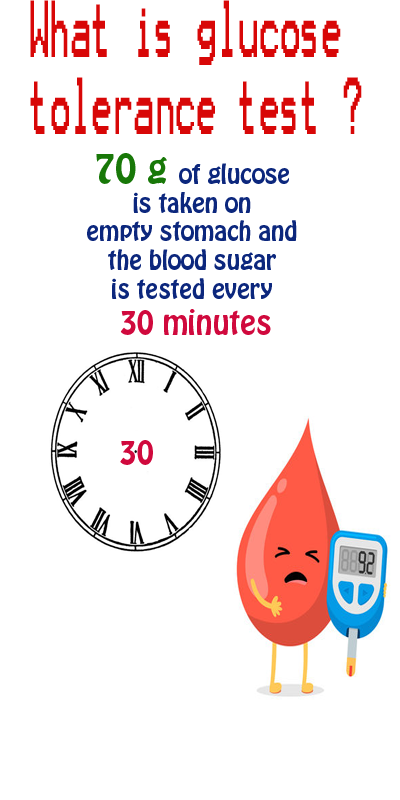
The possibility of this condition of reactive hypoglycemia and sudden drop of blood sugar may be identified by a test known as glucose tolerance test. In this test, there 70 g of glucose is taken on empty stomach and the blood sugar is tested every 30 minutes. It is usually after 4 hours of having food that people with reactive hypoglycemia get the drop in blood sugar. Glucose tolerance test can accurately show this.
People earlier used to believe that in such occurrence of low blood sugar, one can eat some sweet and the sugar level will get back to normal, but this will actually lead to more frequent sugar spikes and in turn an imbalance in the insulin metabolism. Though it helps to increase the sugar level for the time being and reduction in weakness, the problem would recur very soon.
Few things to be taken care of in order to treat this condition is to avoid excess intake of sugars in the form of sweetmeats or processed carbohydrates. So, we must opt for unprocessed food like unpolished rice which contains bran, foods made of wheat, etc. Also, change to a diet which includes more fruits and vegetables. This will help to reduce the reactive hypoglycemia. Switch to a diet which includes more protein and fats. Reduce the amount of carbohydrates and include more healthy protein like green gram, bengal gram, lentils, egg, and white meat like fish and chicken. Also, healthy fat like coconut oil, sunflower oil, olive oil may be used. Vegetable fat like avocado and fats in nuts, ghee, egg yolk, may be used. The body can utilize the energy from these and reduce the utilization of sugars or carbohydrates for energy requirements and thereby overcome the condition of reactive hypoglycemia.
Another important factor is exercise. Insulin resistance and reactive hypoglycemia can be addressed with proper exercise and appropriate lifestyle modifications.